Blog
-
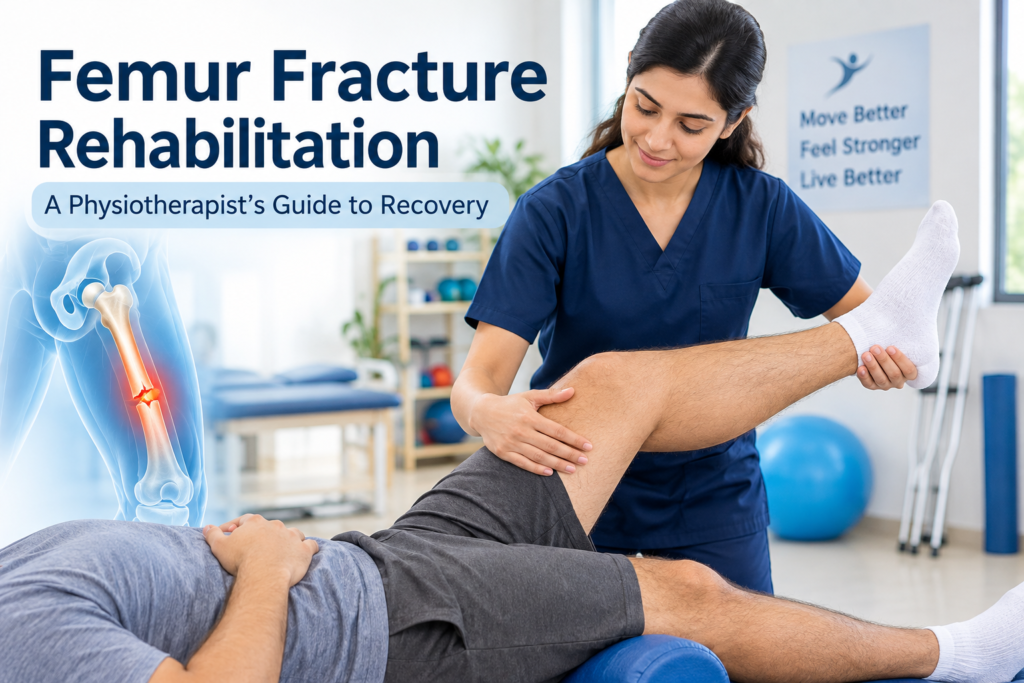
Femur Fracture Rehabilitation: A Physiotherapist’s Guide to Recovery
A femur fracture is one of the most serious injuries we see in orthopaedic rehabilitation. The femur, also known as the thigh bone, is the strongest and longest bone in the human body. Because it is such a strong bone, it usually takes a major force to break it. Road traffic accidents, falls from height, […]
-
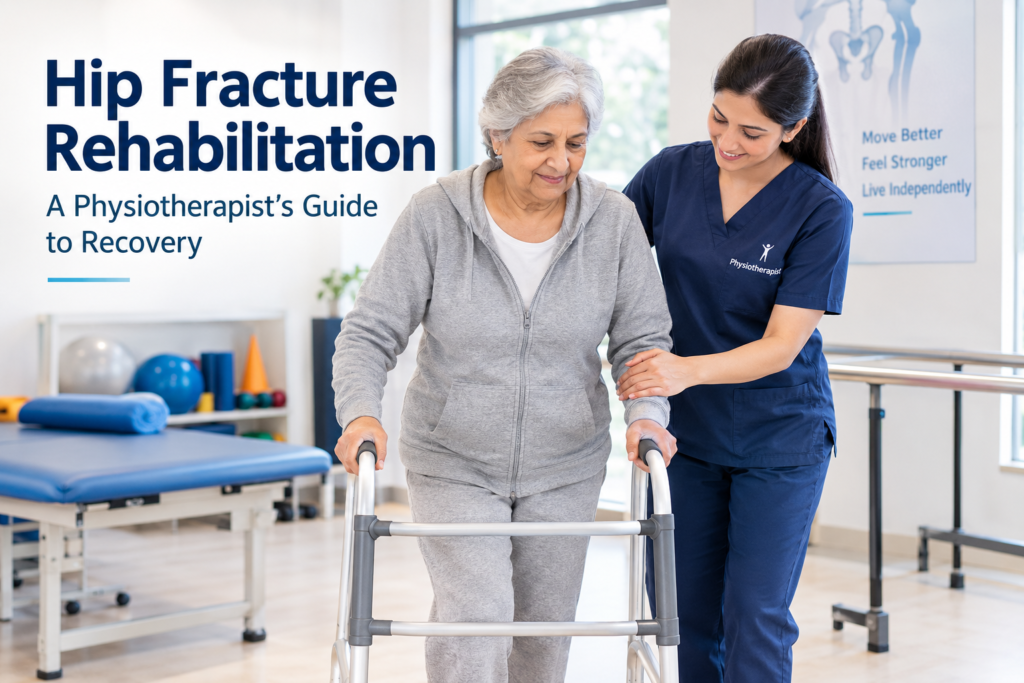
Hip Fracture Rehabilitation: A Physiotherapist’s Guide to Recovery
Hip fracture rehabilitation is an important part of recovery after a hip fracture, helping patients rebuild strength, balance, walking ability, and confidence. Unlike some injuries where people can continue moving around with a little discomfort, a hip fracture often changes everything overnight. One day you are walking independently, going to work, climbing stairs, visiting family, […]
-
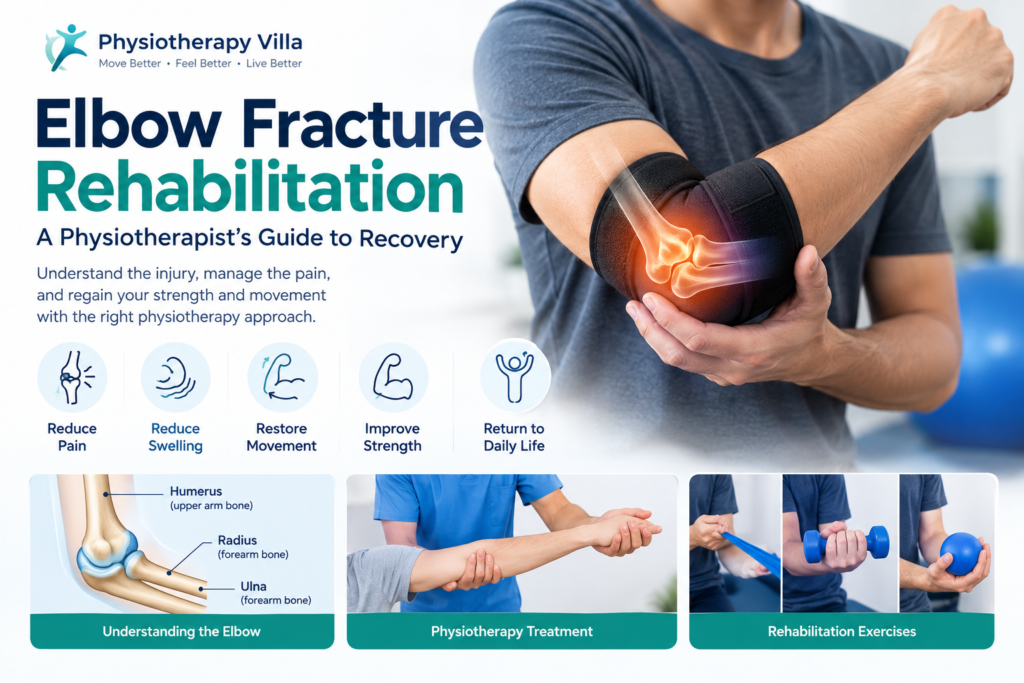
Elbow Fracture Rehabilitation: A Physiotherapist’s Guide to Recovery
An elbow fracture can make simple everyday activities surprisingly difficult. Eating, combing your hair, washing your face, lifting a cup of tea, using your phone, driving, or buttoning your shirt may suddenly become uncomfortable or difficult. After an elbow fracture, many people ask: “The fracture has healed, so why is my elbow still stiff?” This […]
-
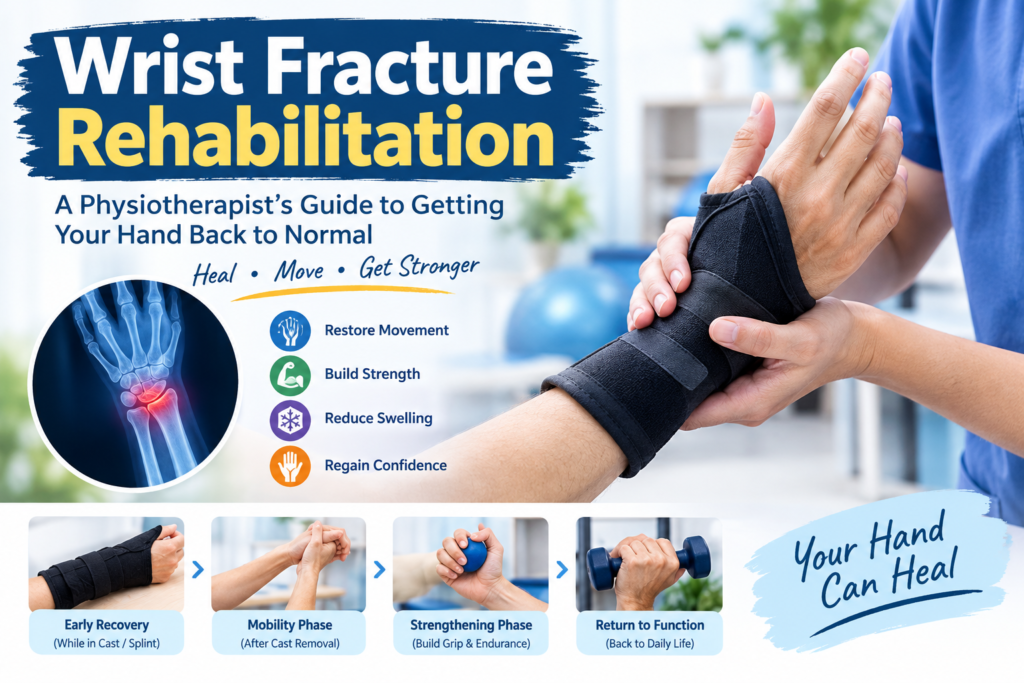
Wrist Fracture Rehabilitation
A Physiotherapist’s Guide to Getting Your Hand Back to Normal Wrist fracture rehabilitation is one of the most important parts of recovery after a wrist injury. A wrist fracture is one of those injuries that can completely change your daily routine for a while. Something as simple as eating, writing, holding your phone, carrying a […]
-
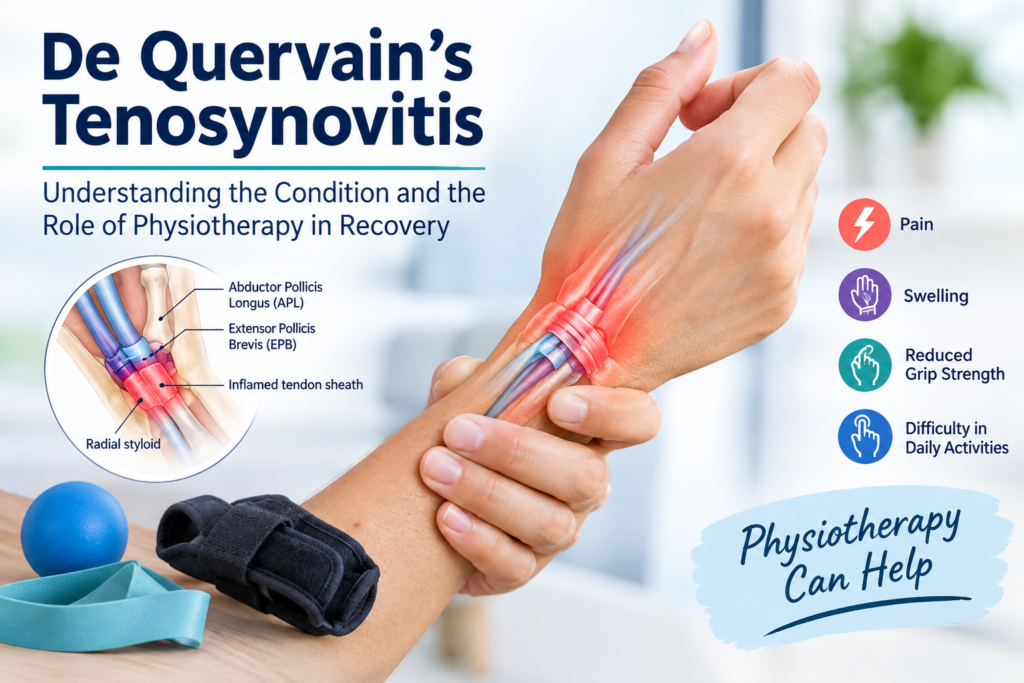
De Quervain’s Tenosynovitis
Understanding the Condition and the Role of Physiotherapy in Recovery If you feel pain on the thumb side of your wrist whenever you hold your phone, open a jar, lift a kettle, carry a shopping bag, or pick up a child, you may be dealing with De Quervain’s Tenosynovitis. This is a condition that I […]
-
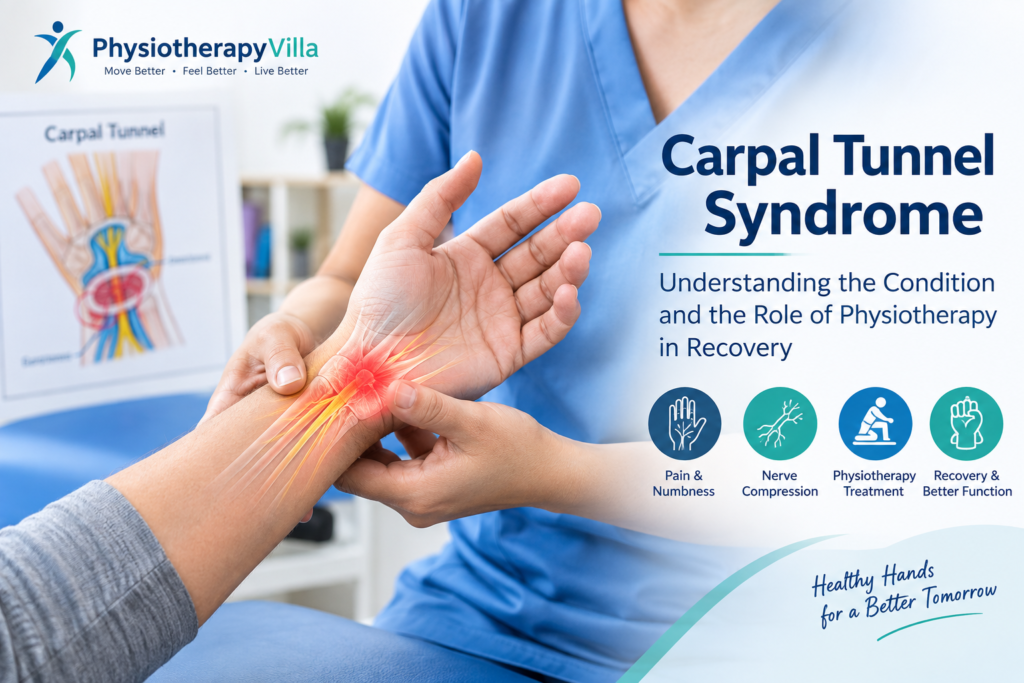
Carpal Tunnel Syndrome
Understanding the Condition and the Role of Physiotherapy in Recovery If you frequently wake up at night with numbness in your hand, experience tingling in your fingers while using your phone, or feel that your grip has become weaker than before, you may be dealing with Carpal Tunnel Syndrome (CTS). This is one of the […]
-
Wrist Pain
Understanding the Condition and the Role of Physiotherapy in Recovery Wrist pain is one of the most common complaints I see in my clinic. Some patients develop it after lifting something heavy, some notice it after long hours of computer work, while others cannot remember any specific injury at all. Many patients come to me […]
-
Golfer’s Elbow
Understanding the Condition and the Role of Physiotherapy in Recovery If you have pain on the inner side of your elbow whenever you lift something, carry a shopping bag, squeeze someone’s hand, or even hold your phone for a long time, there is a chance that you may be dealing with Golfer’s Elbow, also known […]
-
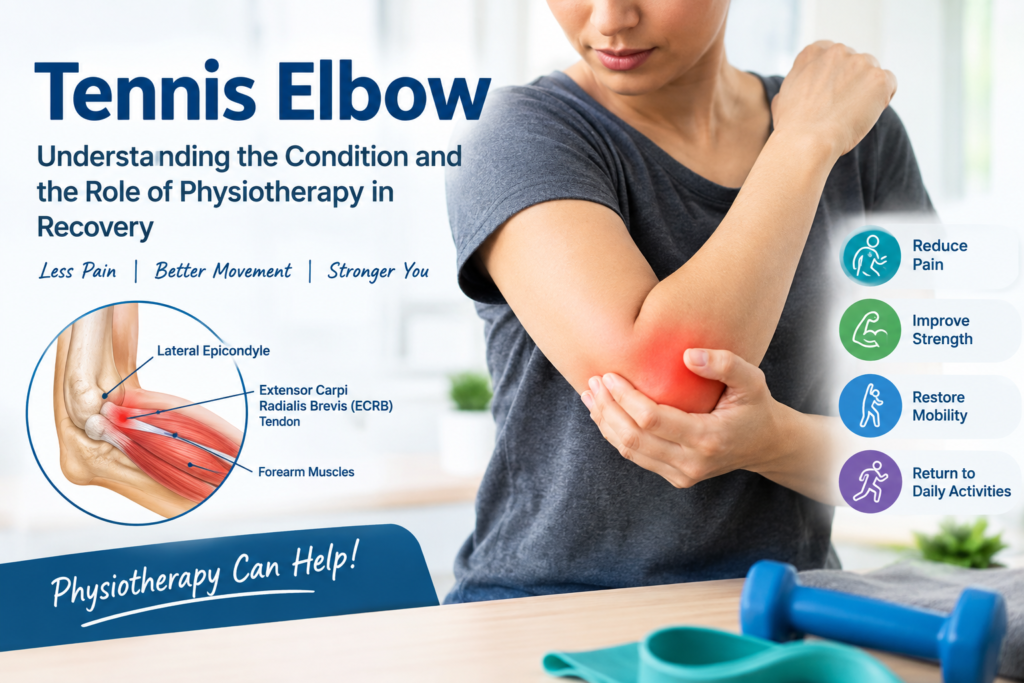
Tennis Elbow
Understanding the Condition and the Role of Physiotherapy in Recovery If you have ever felt pain on the outer side of your elbow while lifting a cup of tea, shaking someone’s hand, opening a jar, carrying shopping bags, or even typing on a computer, you may be dealing with a condition known as Tennis Elbow. […]
-
Biceps Tendinitis
Understanding the Condition and the Role of Physiotherapy in Recovery If you have pain in the front of your shoulder, especially when lifting your arm, carrying groceries, reaching overhead, or even combing your hair, there is a chance that the long head of your biceps tendon may be irritated. This condition is known as Biceps […]
-
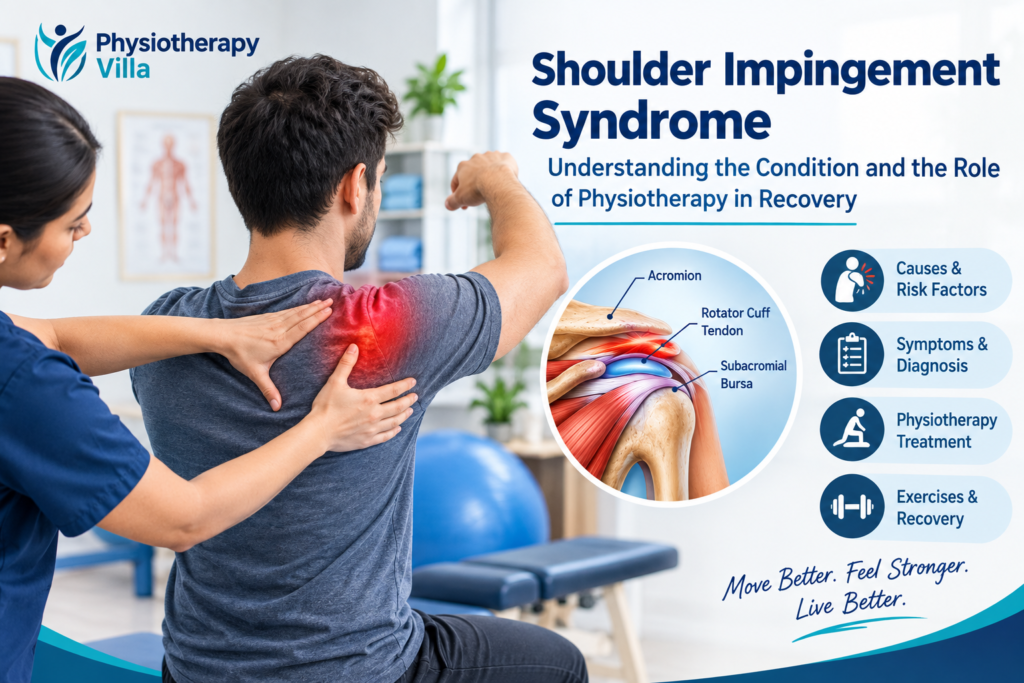
Shoulder Impingement Syndrome: Understanding the Condition and the Role of Physiotherapy in Recovery
Shoulder pain can make even the simplest daily activities frustrating. Reaching for a cup on a shelf, putting on a shirt, lifting groceries, or even sleeping comfortably can become difficult. One of the most common causes of shoulder pain is Shoulder Impingement Syndrome, a condition that affects people of all ages but is particularly common […]
-
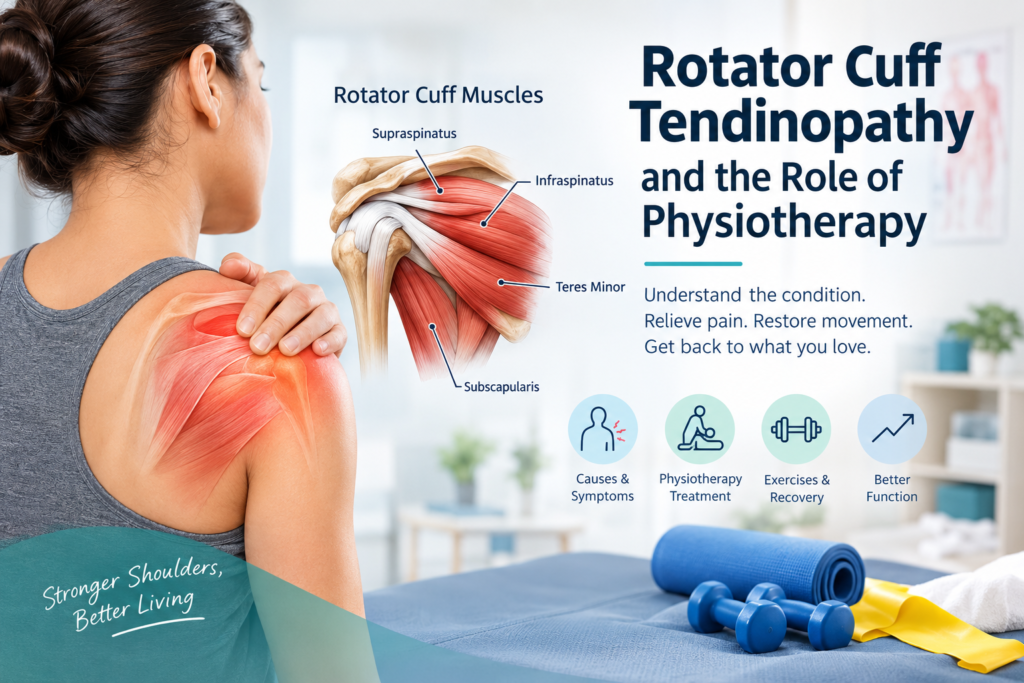
Rotator Cuff Tendinopathy and the Role of Physiotherapy
Shoulder pain is one of the most common problems that brings people to a physiotherapy clinic. One condition that I frequently see is rotator cuff tendinopathy. Many people come with complaints such as pain while lifting the arm, difficulty reaching overhead, discomfort during sleep, or weakness when carrying objects. Quite often they worry that something […]
-
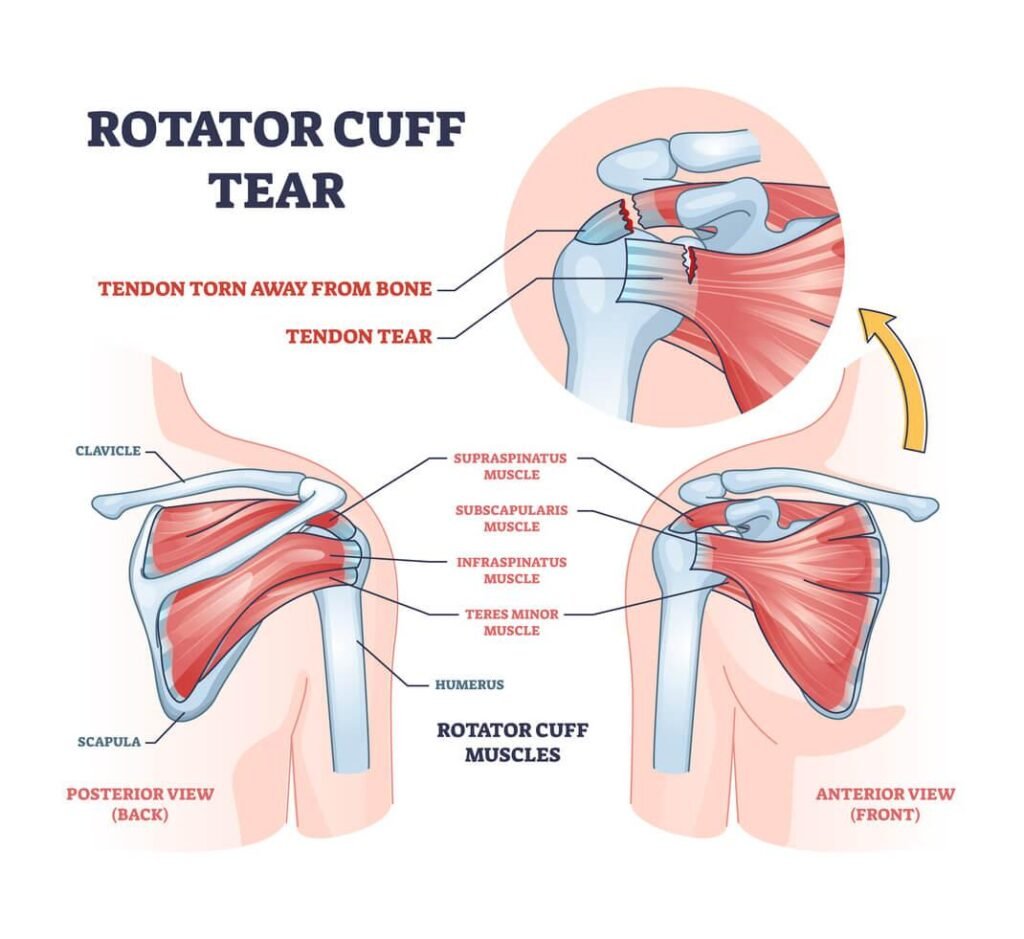
Rotator Cuff Injury: Understanding the Shoulder Problem That Makes Everyday Activities Difficult
Introduction One of the most common reasons people seek help for shoulder pain is a condition involving the rotator cuff. Many people walk into my clinic saying things like: “I can’t lift my arm properly anymore.” “My shoulder hurts when I reach overhead.” “I can manage during the day, but sleeping on that side is […]
-
Shoulder Osteoarthritis: A Condition I Often Need to Explain to Patients
Introduction One of the most common things people say when they come into my clinic is: “I know arthritis can affect the knees, but can it really affect the shoulder too?” The answer is yes. Although shoulder osteoarthritis is not discussed as often as knee or hip arthritis, it can have a impact on everyday […]
-
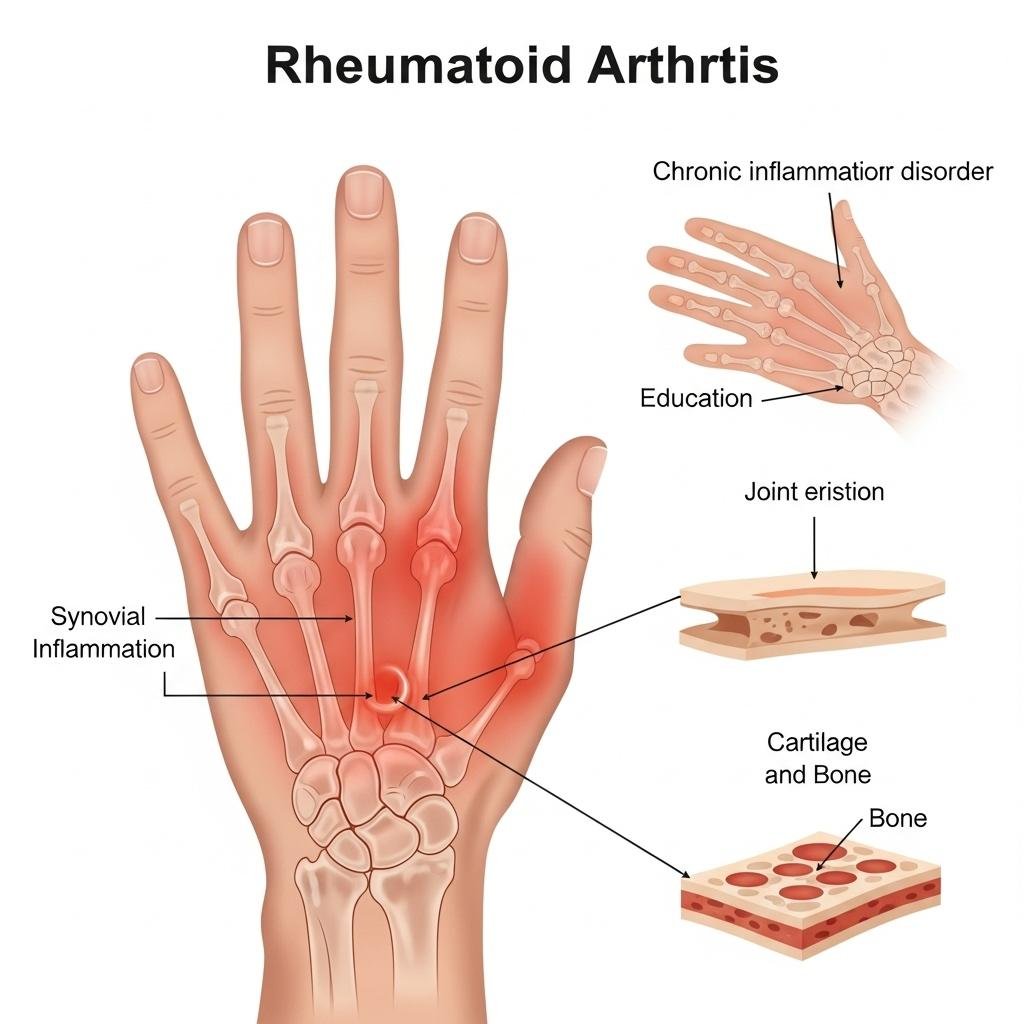
Rheumatoid Arthritis: Understanding the Disease, Its Symptoms, Treatment, and the Essential Role of Physiotherapy
Introduction Rheumatoid Arthritis, or RA, is a long-term autoimmune disease.That means your body’s immune system gets confused and starts attacking its own joints. Unlike osteoarthritis which happens from “wear and tear”,RA happens because of inflammation. The joint lining gets swollen, painful, and over time it can damage the joint. RA affects millions of people and […]
-
Sacroiliac Joint Dysfunction: Understanding the Condition and the Importance of Physiotherapy
Introduction Low back pain is super common.Most people think it’s from a disc problem or muscle strain.But there’s one cause that’s often missed: the SI joint. Your SI joints connect your spine to your pelvis.They help transfer weight from your upper body to your legs. When these joints get irritated, too loose, or too stiff, […]
-
Ankylosing Spondylitis: Understanding the Disease and the Essential Role of Physiotherapy
Introduction Ankylosing Spondylitis (AS) is a long-term inflammatory condition.It mainly affects your spine and the joints where your spine connects to your pelvis. Ankylosing spondylitis physiotherapy can help reduce stiffness, maintain mobility, improve posture, and support daily activities. It’s not like normal back pain from lifting or bad posture.AS is an autoimmune disease. That means […]
-
Herniated Disc: Causes, Symptoms, Diagnosis, Treatment, and the Comprehensive Role of Physiotherapy
Introduction Herniated disc physiotherapy can help people manage neck pain, lower back pain, sciatica, and nerve pain in the arms or legs.We see it a lot in people between 30 to 60 years old. Herniated Disc Physiotherapy: Treatment, Exercises & Recovery Herniated disc physiotherapy can help reduce pain, improve movement, restore strength, and support recovery […]
-
Sciatica: Understanding the Condition, Its Causes, Symptoms, Treatment, and the Essential Role of Physiotherapy
Introduction Ever felt a sharp, burning, or electric shock-like pain that starts in your lower back and shoots down your leg?Even sitting, walking, bending, or sleeping becomes difficult. That’s most likely sciatica Sciatica isn’t a disease by itself. It’s a set of symptoms that happen when your sciatic nerve gets irritated or pressed.The good news: […]
-
Neck Pain: More Than Just a Stiff Neck – Causes, Symptoms, Treatment, and the Role of Physiotherapy
Introduction Neck pain is super common these days.With all the phone scrolling, laptop work, and long sitting hours, students, office workers, doctors, and even teenagers are getting it. For some people it’s just morning stiffness.For others it turns into constant pain that disturbs sleep, focus, and daily work.Sometimes the pain even travels to the shoulder, […]
-
Osteoarthritis: Understanding the Condition and the Role of Physiotherapy in Managing Joint Pain
Osteoarthritis is the most common form of arthritis and one of the leading causes of pain and disability worldwide. It is a condition that affects the joints, causing the gradual breakdown of cartilage, changes in the surrounding bone, and inflammation of joint tissues. If you’ve ever had joint pain that makes walking, climbing stairs, or […]
-
Knee Pain: Causes, Symptoms, Treatment, and the Role of Physiotherapy
Knee pain is one of the most common musculoskeletal complaints seen in people of all ages. Doesn’t matter if you’re an athlete, office worker, homemaker, or 60+ — if your knee hurts, walking, stairs, squatting, even just standing becomes a problem. The knee is one of the largest and most important joints in the human […]
-
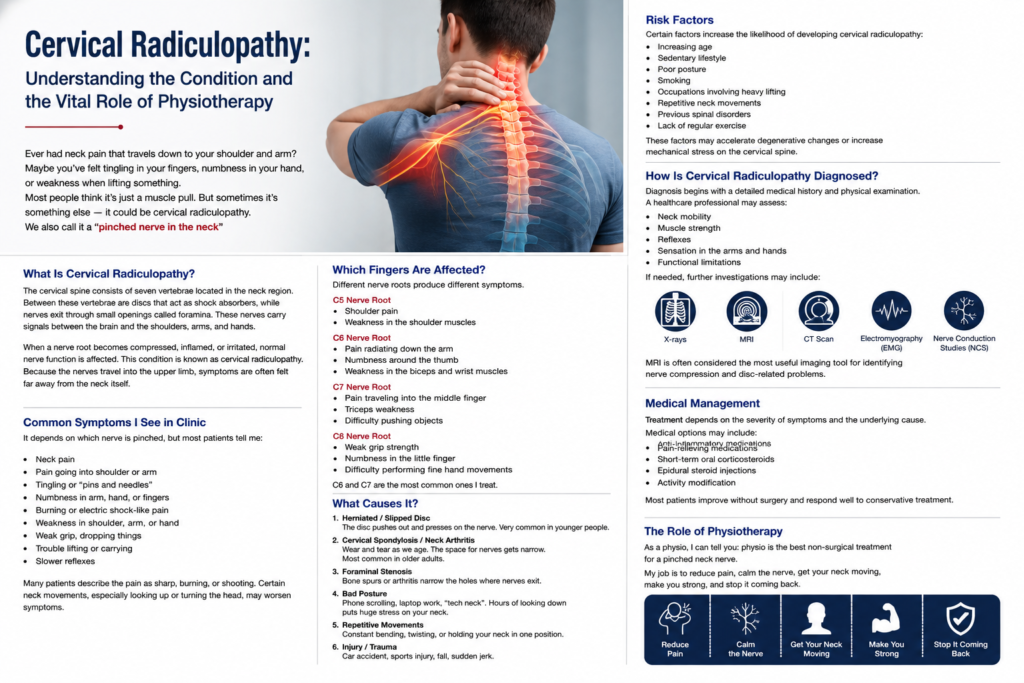
Cervical Radiculopathy: Understanding the Condition and the Vital Role of Physiotherapy
Ever had neck pain that travels down to your shoulder and arm?Maybe you’ve felt tingling in your fingers, numbness in your hand, or weakness when lifting something.Most people think it’s just a muscle pull. But sometimes it’s something else — it could be cervical radiculopathy. We also call it a “pinched nerve in the neck” […]
-
Back Pain
Causes, Symptoms, Treatment, and the Role of Physiotherapy Back pain is one of the most common health problems affecting people of all ages. Almost everyone experiences back pain at some point in life. For some people, it is a mild discomfort that improves within a few days, while for others it can become a long-term […]
-
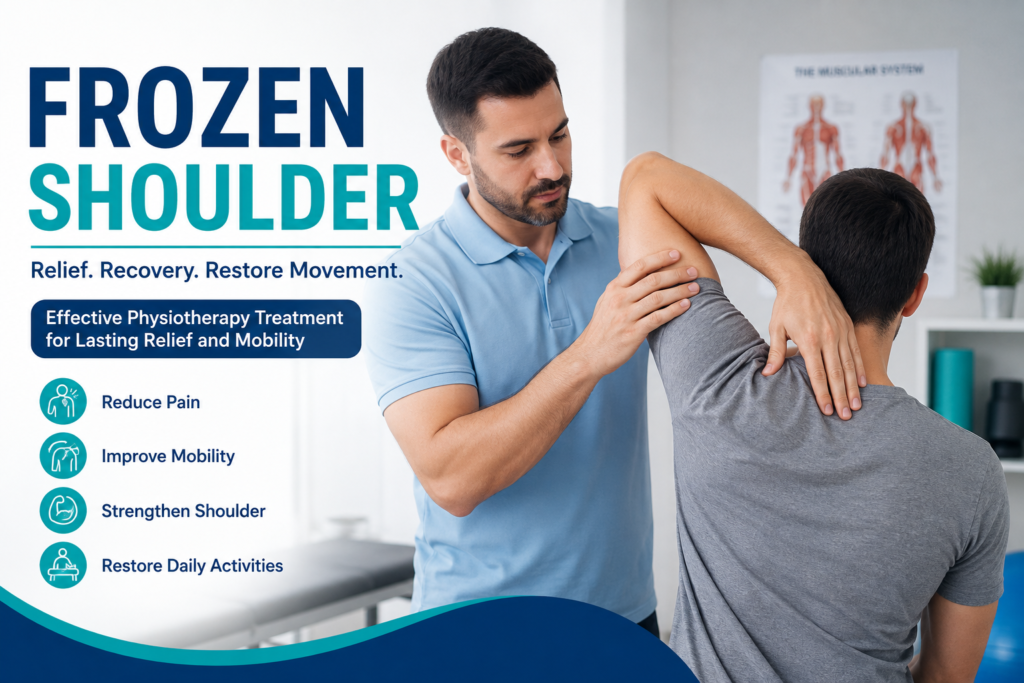
Frozen Shoulder
Understanding the Condition and the Role of Physiotherapy in Treatment of frozen shoulder Frozen shoulder, also known as adhesive capsulitis, is a common condition that causes pain, stiffness, and reduced movement in the shoulder joint.If you’ve ever tried to comb your hair and felt a sharp pain in your shoulder… or struggled to wear a […]